People don't only search anymore. They ask. “Who's a good emergency plumber near me?” “What should I look for in a roofer?” More of those questions now go to ChatGPT, and OpenAI has started showing ads next to the answers. If you run a local business, here's what's worth knowing before you put money into it.
What ChatGPT Ads Are
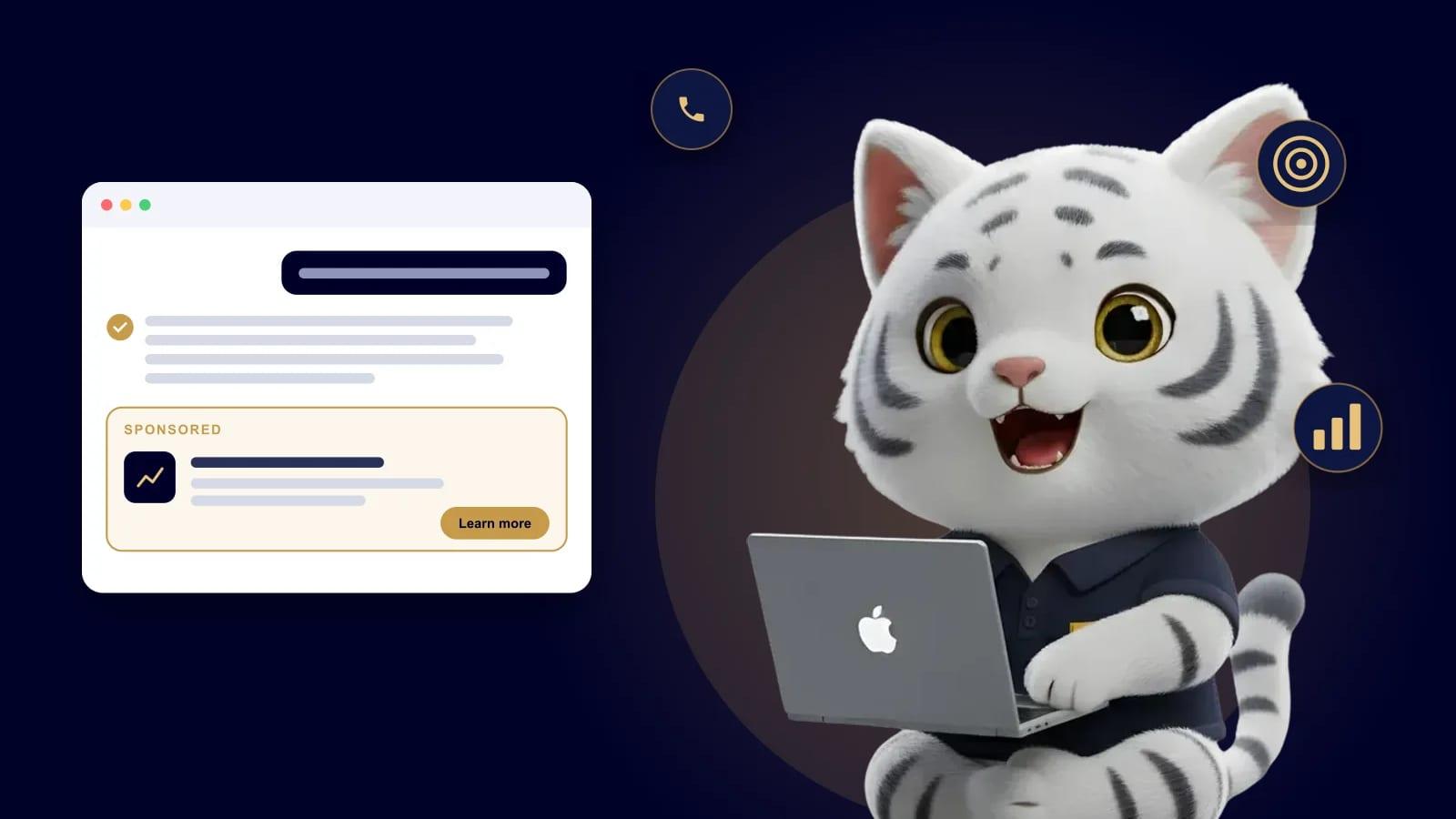
ChatGPT Ads are sponsored cards that appear below or alongside ChatGPT's answer. They're labeled as sponsored and kept separate from the response itself, and OpenAI states that ads don't change or influence the organic answer. Ads are matched to the context of the conversation.
They're shown to adult users on eligible ChatGPT plans, mainly the free and lower-cost tiers, in supported markets. People on premium plans generally don't see them. The product is still new, so details like these can change; check the current rules before you plan anything.
How Buying Works
Campaigns run through OpenAI's ChatGPT Ads Manager, where you set up an advertiser account, create ads, set budgets and bids and track results. Ads can be bought on a cost-per-impression or cost-per-click basis, and you control the budget.
Tracking matters as much here as anywhere else. OpenAI offers a pixel and a Conversions API, and you'll want call and form tracking on your own site too, so you can see leads and not just impressions.
Who It's a Good Fit For
ChatGPT Ads make the most sense when people research before they buy and ask detailed questions along the way: choosing a contractor for a remodel, comparing hot tubs, picking a law firm. They also suit businesses that already have ads working elsewhere, with tracking and a page that turns visits into calls.
Who Should Wait
Not every category is eligible. OpenAI limits ads around sensitive topics such as health and politics, and some industries face extra restrictions. If you don't have conversion tracking or a page that converts yet, fix those first. And if your budget is small, a well-kept Google Business Profile and Local Services Ads will usually do more for a local business right now.
Don't Forget the Free Side
Ads are only half of it. When someone asks ChatGPT or another AI assistant for a recommendation, the answer draws on information about businesses that's available online. Clear service pages, honest FAQs, consistent business listings and good reviews all make it easier for an assistant to describe you accurately.
That's the same groundwork that helps on Google, which is why we pair ChatGPT Ads with SEO instead of treating them as a separate project.
How We'd Test It
Start small and specific: one service, one area, one offer, with tracking in place from the first day. Compare the cost per lead with what you pay on Google. If the numbers hold up, expand. If they don't, you've learned something without spending much.
Frequently Asked Questions
Do ChatGPT Ads change what ChatGPT recommends?
According to OpenAI, no. Ads are shown separately from the answer and don't change, rank or influence it. That's why the organic side, your website and listings, still matters.
Can any business advertise on ChatGPT?
No. OpenAI limits ads around sensitive topics such as health and politics, and some industries face extra restrictions. Check current eligibility before planning a campaign.
Is it better than Google Ads?
It's different. Google search is built for people who are ready to hire now. ChatGPT Ads reach people earlier, while they're still researching and comparing. For most local businesses, it's something to test once search ads are working, not a replacement.
How much should a first test cost?
Enough to collect real data on one service or offer, with tracking in place. We set the number with you based on your market and what a lead is worth to your business.